

What Defines Mini Amigurumi?
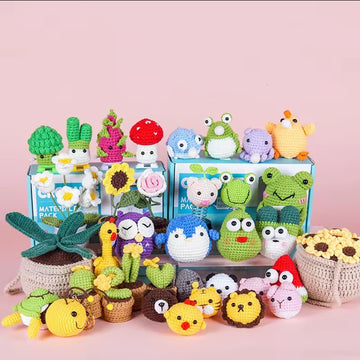
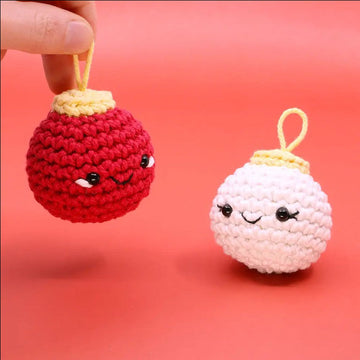
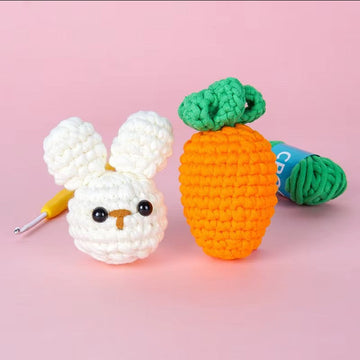
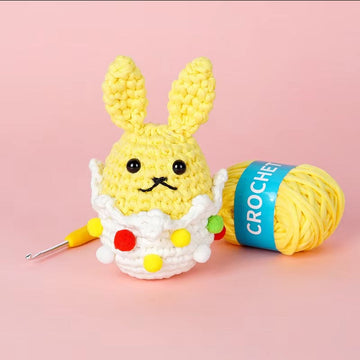
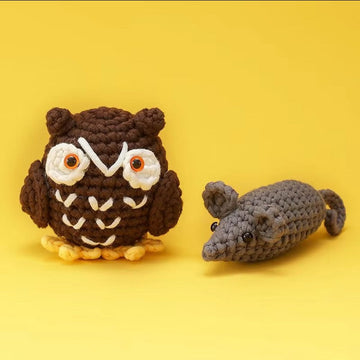
Mini amigurumi refers to crocheted stuffed animals and characters that are significantly smaller than standard project sizes. While a typical amigurumi bear might stand between 15 and 25 centimeters tall, a mini version usually measures under 10 centimeters, with some micro designs reaching only 3 to 5 centimeters. These tiny creations are popular as keychains, bag charms, desk decorations, and collectible figures. Their small scale makes them quick to finish, affordable to produce, and easy to gift or sell in sets.
The appeal of mini amigurumi lies in its portability and charm. A palm-sized penguin or a fingertip frog delivers the same emotional impact as a larger plush toy but requires far less material and time. Many crocheters enjoy making mini amigurumi because it allows them to experiment with new designs, test color combinations, or complete a satisfying project in a single evening. For beginners, mini amigurumi is also an excellent way to practice fundamental stitches, increase and decrease techniques, and assembly methods without committing to a large-scale project.
Typical Sizes and Materials
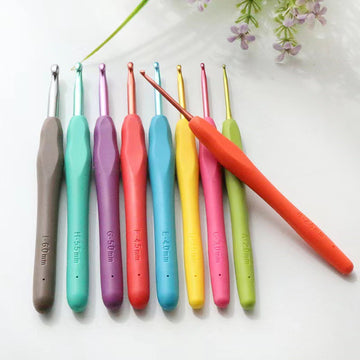
Mini amigurumi is most commonly worked in lightweight yarns such as sport weight, fingering weight, or even crochet thread. A 2.0 to 3.0 millimeter crochet hook is standard for these projects, though some extremely tiny designs use hooks as small as 0.75 millimeters. The small hook size creates tight, dense stitches that hold stuffing securely and maintain the shape of the tiny figure. Because the stitches are small, it is essential to use a hook that is slightly smaller than the yarn label recommends to ensure the fabric is tight enough to prevent stuffing from showing through. Polyester fiberfill is the most common stuffing for mini amigurumi, though some creators use small amounts of yarn scraps or felt to add weight to the base.
What Defines Jumbo Amigurumi?
Jumbo amigurumi sits at the opposite end of the size spectrum. These are oversized crocheted plush toys that can range from 30 centimeters to over 1 meter in height depending on the pattern and the yarn used. Jumbo amigurumi has gained significant popularity on social media and in craft markets because of its dramatic visual impact, huggable size, and photo-worthy presence. A jumbo amigurumi bear or rabbit can serve as a statement piece in a nursery, a playful pillow on a sofa, or a standout gift that creates a lasting memory.
The defining characteristic of jumbo amigurumi is not just height but the overall volume and presence. Because the pieces are large, the curves, proportions, and facial features become more pronounced and expressive. This size range is particularly forgiving for beginners who struggle with tight stitches and tiny details, as the larger scale makes each stitch easier to see and count. Jumbo amigurumi also provides a canvas for creative embellishments, textured stitches, and bold color blocking that might be lost in smaller designs.
Typical Sizes and Materials
Jumbo amigurumi is typically worked in bulky, super bulky, or jumbo yarn. Chenille yarn, t-shirt yarn, and thick roving-style yarns are popular choices because they create a soft, plush surface that feels luxurious to touch. Crochet hooks for jumbo amigurumi range from 8.0 millimeters to 25.0 millimeters depending on the yarn weight. Because the yarn is thick, the stitches are large and work up quickly, but the sheer volume of yarn required means a jumbo project can consume several hundred grams of fiber. Stuffing for jumbo amigurumi is usually polyester fiberfill in large quantities, though some creators use foam inserts or weighted beads in the base to prevent the large figure from tipping over.

Yarn Weight Comparison Chart
Choosing the right yarn weight is the most important decision when planning a mini or jumbo amigurumi project. The yarn weight determines the hook size, the stitch density, the final dimensions, and the overall cost. Below is a practical comparison of the yarn categories most commonly used at the extremes of the amigurumi size range.
For mini amigurumi, fingering weight yarn at 14 wraps per inch creates a fabric ideal for small collectibles with a 2.0 to 2.5 millimeter hook. Sport weight yarn at 12 wraps per inch is slightly thicker and works well with a 2.5 to 3.0 millimeter hook for keychain-sized projects. DK weight yarn at 11 wraps per inch can be used with a 3.0 to 3.5 millimeter hook for slightly larger mini figures that still fit in one hand. For jumbo amigurumi, bulky weight yarn at 7 wraps per inch pairs with a 6.0 to 8.0 millimeter hook for medium-large plush toys. Super bulky yarn at 5 to 6 wraps per inch uses an 8.0 to 12.0 millimeter hook for oversized huggable figures. Jumbo yarn at 4 or fewer wraps per inch requires a 12.0 to 25.0 millimeter hook and produces the largest, most dramatic amigurumi pieces.
Keep in mind that yarn weight labels can vary between manufacturers. Always check the recommended hook size on the label and adjust down by one size for amigurumi to ensure tight stitches. When switching between mini and jumbo scales, remember that a single pattern will not translate directly across yarn weights without recalculating stitch counts and proportions.
Hook Size and Tension Differences
Tension, or how tightly you hold the yarn and form stitches, is critical in both mini and jumbo amigurumi, but the challenges differ at each scale. In mini amigurumi, the goal is to create an extremely tight, firm fabric that prevents stuffing from poking through the tiny gaps between stitches. This requires a hook that is at least 0.5 to 1.0 millimeters smaller than the yarn label suggests. Because the hook is small, your fingers must work with precision, and your tension must be consistent. Even a slight looseness in one round can create a visible bulge or hole in a mini figure.
In jumbo amigurumi, the goal is to create stitches that are tight enough to hold stuffing without stretching, but not so tight that the fabric becomes stiff and unyielding. Because the yarn is thick and the hook is large, each stitch requires more physical effort. Many crocheters find that jumbo amigurumi causes hand fatigue more quickly than standard projects. To manage tension on a large scale, take frequent breaks, stretch your hands, and use ergonomic hooks with padded grips. The visibility of each stitch in jumbo work is both a blessing and a challenge: it is easier to see where you are, but it is also easier to notice uneven tension.
Stitching Techniques for Mini vs Jumbo
The fundamental stitches in amigurumi, single crochet, increase, and invisible decrease, are the same across all sizes. However, the execution and visibility of these stitches change dramatically depending on the scale of the project.
Working with Tiny Amigurumi
In mini amigurumi, the standard invisible decrease becomes difficult to execute cleanly because the hook is so small and the stitch loops are tight. Some crocheters prefer a standard single crochet decrease in mini work because it is easier to insert the hook into the front loops. Embroidery and facial details are also more challenging at small scales. Instead of safety eyes, many mini amigurumi use French knots, embroidered dots, or small beads for facial features. Attaching tiny limbs requires a sharp yarn needle and a steady hand. Thread tails should be woven in very securely because even a small amount of tension can pull a seam open in a mini figure. Working in good light and using a magnifying tool can help reduce eye strain during long mini sessions.
Working with Oversized Amigurumi
In jumbo amigurumi, the main challenge is managing the physical bulk of the yarn and the weight of the work as it grows. A large amigurumi body can become heavy enough to strain your wrists and shoulders if you crochet with it unsupported. Many creators use a lap desk, a pillow, or a flat surface to rest the project on as it grows. Joining large pieces requires longer yarn tails and more durable seams because the weight of the stuffing and fabric puts more stress on the attachment points. When sewing large limbs to a body, use a sturdy whipstitch or mattress stitch and consider adding a few extra passes for reinforcement. Surface details in jumbo amigurumi are often crocheted separately and sewn on, rather than embroidered, because the large stitch scale makes embroidery stitches less defined.
Project Time Estimates
Time is a practical factor that influences whether a crocheter chooses mini or jumbo amigurumi. A single mini amigurumi figure, such as a 5-centimeter frog or bee, typically takes 1 to 3 hours from start to finish including assembly. A set of four to six mini figures can be completed in a single weekend. This makes mini amigurumi ideal for quick gifts, market inventory, and craft fair stock.
Jumbo amigurumi requires a substantially larger time investment. A medium jumbo figure using bulky yarn and standing 30 to 40 centimeters tall may take 8 to 15 hours. A large jumbo figure using super bulky yarn and standing 60 centimeters or more may take 20 to 40 hours depending on the complexity of the pattern and the speed of the crocheter. The assembly time for jumbo pieces is also longer because the limbs are larger, the stuffing process is more involved, and the finishing details require more material. If you are planning a jumbo project, block out several dedicated sessions rather than expecting to finish in one sitting.
Best Projects for Mini Amigurumi
Mini amigurumi excels in projects where portability, variety, and small-scale charm are priorities. Ideal mini projects include fruit and vegetable keychains, tiny animal sets for children, seasonal ornaments, desk companions, wedding or baby shower favors, and crochet jewelry charms. Mini amigurumi is also perfect for testing a new pattern before committing to a full-size version. Because the material cost is low, you can experiment with unusual colors, fiber types, or design modifications without significant financial risk. For creators who sell their work, mini amigurumi offers a lower price point that appeals to impulse buyers and gift shoppers looking for stocking stuffers or small tokens.
Best Projects for Jumbo Amigurumi
Jumbo amigurumi shines in projects where presence, comfort, and visual impact are the goals. Ideal jumbo projects include nursery centerpieces, statement pillows, photo props, oversized seasonal decorations, and therapeutic weighted companions. The large scale makes jumbo amigurumi naturally huggable and comforting, which is why many people create jumbo versions of their favorite animals for emotional support. Jumbo amigurumi is also popular in commercial and event settings, such as store displays, party decorations, and promotional photo backdrops. Because the materials are more expensive, jumbo projects are typically priced higher, but the perceived value and dramatic effect often justify the cost for buyers seeking a memorable gift or room accent.

Converting Patterns Between Sizes
Many crocheters want to take a favorite standard pattern and scale it up or down. While this is possible, it requires more than simply switching yarn weights. Scaling a pattern changes the proportions, the stitch count, the stuffing density, and the structural integrity.
To scale a pattern down to mini size, choose a lighter yarn and a smaller hook, then work the pattern as written. The resulting figure will be smaller but the proportions should remain similar. However, very small scaling may require eliminating some detail rounds or simplifying facial features because the stitch real estate becomes too limited. To scale a pattern up to jumbo size, choose a heavier yarn and a larger hook, then work the pattern as written. The figure will be larger, but the limbs may become disproportionately thick or the head may appear too heavy. For significant scale changes, you may need to adjust the number of increase and decrease rounds to maintain balanced proportions. Some designers provide mini and jumbo versions of their patterns to eliminate the guesswork.
Cost and Value Comparison
Mini and jumbo amigurumi differ significantly in material cost, time investment, and market pricing. A mini amigurumi project typically uses 10 to 30 grams of yarn and a small amount of stuffing, with a total material cost under 2 dollars for most cotton or acrylic projects. A jumbo amigurumi project can use 300 to 800 grams of bulky yarn and several large bags of stuffing, with a material cost ranging from 15 to 50 dollars depending on the yarn quality. The time cost is also disproportionate, with jumbo projects requiring 5 to 10 times as many hours as mini projects.
From a selling perspective, mini amigurumi is often priced between 8 and 20 dollars per piece, while jumbo amigurumi can command 80 to 300 dollars depending on the size, complexity, and brand reputation. Beginners looking to build a market presence may find that mini amigurumi allows faster inventory turnover and lower financial risk, while established creators may use jumbo pieces as flagship products that attract attention and validate premium pricing. If you are looking for a cost-effective way to build a diverse collection, the Crochet Kit Bundles collection offers multiple projects at a bundled value, making it easier to experiment with both mini and jumbo styles.
FAQ: Common Mini and Jumbo Amigurumi Questions
Can beginners make jumbo amigurumi?
Yes, jumbo amigurumi is often easier for beginners than mini because the stitches are large and easy to see. The main challenge is managing the physical weight and bulk of the project. Choose a simple pattern with minimal shaping for your first jumbo piece.
Why is my mini amigurumi coming out with holes?
Holes in mini amigurumi are usually caused by a hook that is too large for the yarn or by inconsistent tension. Switch to a smaller hook, 0.5 to 1.0 millimeters below the yarn recommendation, and focus on pulling each stitch tight and even.
What is the best stuffing for jumbo amigurumi?
Standard polyester fiberfill works well, but for very large pieces, consider using a foam core or pillow insert as the base and covering it with fiberfill. This reduces the total stuffing volume needed and helps the figure maintain its shape under its own weight.
How do I make my jumbo amigurumi stand upright?
Add weight to the base using plastic pellets, dried beans in a sealed bag, or a weighted disc. Position the weight in the lowest point of the body and surround it with stuffing to keep it secure. A wide, flat base also improves stability.
Can I use a standard pattern for both mini and jumbo?
Sometimes, but expect to adjust proportions manually. For moderate scaling, working the same pattern in a different yarn weight is usually enough. For extreme scaling, you may need to modify increase and decrease rounds to maintain balanced shaping.
Why does jumbo amigurumi hurt my hands?
Large hooks and thick yarn require more grip strength and wrist movement. Use an ergonomic hook with a padded handle, take breaks every 30 minutes, and stretch your hands between sessions. Switching to a lighter project periodically can also help prevent repetitive strain.
Is mini amigurumi safe for young children?
Mini amigurumi is generally not recommended for children under 3 years old due to choking hazards. Small parts, tight stitches, and the overall small size can be dangerous. For children, use the Beginner Crochet Kit collection to find appropriately sized projects with safety guidelines.
Can I wash jumbo amigurumi in a machine?
Only if the yarn is machine washable and the construction is sturdy. Use a large mesh bag and a delicate cycle with cold water. Because of the size, drying a jumbo piece requires laying it flat on multiple towels and rotating it frequently, which can take 48 to 72 hours.
What is the most popular size for selling amigurumi?
The 15 to 20 centimeter range is the most commercially popular because it balances portability, huggability, and material cost. Mini and jumbo sizes serve niche markets, but the standard small-to-medium size appeals to the broadest audience.
Do I need different tools for mini and jumbo?
You need different hook sizes, but the same basic tools. Both sizes require a yarn needle, scissors, stitch markers, and stuffing. For jumbo, you may want larger scissors, longer needles, and a more robust workspace setup.
Conclusion
Mini and jumbo amigurumi represent two creative extremes in the same craft, each offering unique rewards and challenges. Mini amigurumi delivers speed, precision, and collectible charm, while jumbo amigurumi offers presence, comfort, and dramatic impact. The choice between them depends on your goals, your available time, your physical comfort, and your target audience. Both sizes benefit from the same foundational skills: tight stitches, consistent tension, and careful assembly. Whether you are filling a weekend with tiny frogs or committing to a month-long oversized bear, understanding how yarn weight, hook size, and scaling techniques affect the final result will help you succeed at any scale. For a wide selection of projects spanning all sizes and skill levels, visit the Crochet Amigurumi Kits collection and find the perfect starting point for your next creation.


