
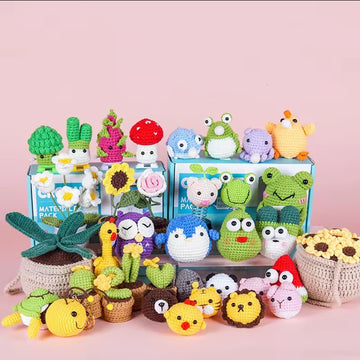
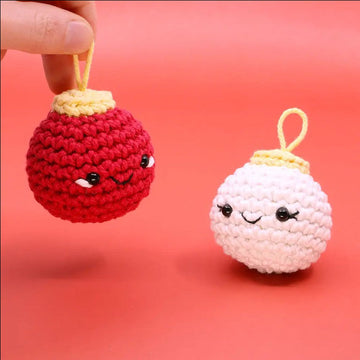
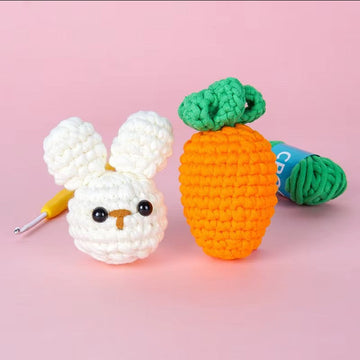
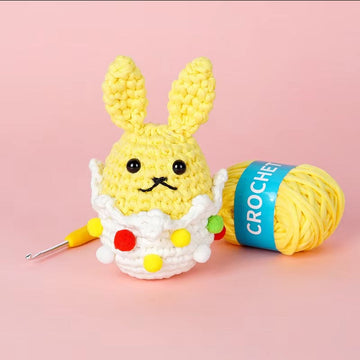

Introduction: Can You Really Earn Money Selling Amigurumi?
Yes — and thousands of crafters do it successfully every year. Whether you're selling at a local craft fair, opening an Etsy shop, or taking custom orders from Instagram, amigurumi has genuine commercial appeal. Handmade stuffed animals, toys, and decorative characters occupy a premium market where buyers willingly pay $25, $50, even $100+ for something uniquely crafted rather than mass-produced.
But "you can sell crochet" and "you'll build a sustainable income from it" are two very different claims. This guide cuts through the noise and gives you the specific information you need: realistic price calculations, platform comparisons, what sells versus what sits, and how to position yourself so buyers choose your shop over the dozens of others listing similar items.
This is written for crocheters who already know the basics of amigurumi and are wondering whether to take the next step. If you're still learning the craft itself, bookmark this for later — and in the meantime, build your skills with our Crochet Amigurumi Kits, which include everything you need to complete your first projects.
Is Selling Handmade Amigurumi Actually Profitable?
Profitability depends on three variables: your material costs, your hourly time value, and your selling price. Let's run real numbers on a typical amigurumi piece — a 15 cm stuffed animal elephant or bear.
Material Cost Breakdown for One Amigurumi (Approximate)
- Yarn: 100–150 g at $12–$18 per 200 g skein = $6–$14
- Stuffing: roughly 30–50 g per piece at $8 per 500 g bag = $0.50–$0.80
- Safety eyes (2 pieces): $0.30–$0.60 per pair from bulk supplies
- Packaging (tissue paper, box, thank-you card): $0.80–$2.00
- Shipping supplies: $1.00–$2.50
- Total material cost: roughly $9–$20 per piece
Time and Labor
A beginner takes 6–10 hours per amigurumi. An experienced maker doing a familiar design gets that down to 3–5 hours. If you value your time at $15/hour (reasonable for craft labor), a 4-hour piece costs you $60 in labor plus $15 in materials = $75 in total cost. To make a modest profit, you'd need to sell that piece for at least $90–$100.
Many new sellers make the critical mistake of pricing amigurumi at $25–$35 "because that's what they see on Etsy." At $30 with 4 hours of work, you're earning $3.75/hour after materials — far below minimum wage in most countries. Pricing is where most crochet businesses fail.
The Realistic Profit Zone
Successful amigurumi sellers who earn meaningfully from their craft typically do one or more of the following:
- Specialize in a few designs they can complete in 2–3 hours each (speed comes from repetition)
- Sell at price points of $45–$150+ per piece and attract buyers who understand handmade value
- Supplement finished goods sales with digital pattern sales (100% margin once the pattern is written)
- Take custom commissions with a premium surcharge (typically 25–50% above standard price)

Where to Sell Your Amigurumi
You have several viable channels, each with different cost structures, audiences, and time requirements.
Etsy
Etsy is the default starting point for most handmade sellers. It has built-in search traffic from millions of buyers specifically looking for handmade and unique items. The costs: $0.20 per listing (renewed every 4 months), 6.5% transaction fee on the sale price including shipping, plus payment processing fees of 3% + $0.25. On a $60 sale shipped for $8 (total transaction value $68), you'd pay roughly $4.62 in transaction fees plus $0.20 listing = approximately $4.82 in Etsy fees before payment processing. Factor in all fees and expect to lose about 12–15% of revenue to Etsy alone.
The advantage: Etsy brings buyers to you. The disadvantage: competition is intense — searching "amigurumi elephant" returns tens of thousands of results. Standing out requires strong photography, keyword-optimized listings, and ideally some early reviews to build credibility.
Local Craft Fairs and Markets
Craft fairs let you interact directly with buyers, charge fair prices without algorithmic competition, and build local brand recognition. Booth fees range from $25 for a small community market to $200+ for larger curated shows. The advantage: no shipping, immediate payment, face-to-face connection that builds loyalty. The disadvantage: you need inventory upfront and must be physically present. Crafters who do well at fairs typically bring 30–60 pieces to fill a table attractively.
The best-performing amigurumi at craft fairs are typically animals priced at $35–$65, holiday-themed items (which can go higher), and custom-order sign-up sheets where you take deposits on the spot.
Instagram and Social Media
Instagram, TikTok, and Pinterest are discovery channels more than direct sales channels. Build a following by documenting your making process (in-progress shots, time-lapse videos, before/after assembly) and buyers will find you organically. The advantage: zero platform fees, direct relationship with customers, viral potential. The disadvantage: takes months to build meaningful following, requires consistent content creation effort separate from the actual making.
Many successful amigurumi sellers use Instagram to build an audience, then direct followers to their Etsy shop or a personal website to purchase.
Personal Website / Shopify Store
Running your own store eliminates platform fees (aside from payment processing at ~2.9% + $0.30 per transaction) and gives you complete control over branding. The disadvantage: no built-in traffic. You must drive all visitors yourself through social media, SEO, or paid advertising. A personal store makes most sense once you already have an established audience from another channel.
Facebook Marketplace and Local Buy/Sell Groups
Surprisingly effective for local sales with zero fees. Post in local parenting groups, school community groups, and buy/sell Facebook groups. Local buyers can pick up in person, eliminating shipping complexity. This works well for sellers who aren't yet comfortable with the logistics of shipping handmade goods.
What Sells Well: Understanding Buyer Demand
Not all amigurumi sells equally well. Understanding buyer demand helps you make the pieces that will actually move rather than accumulating inventory that sits unsold.
Animals That Consistently Sell
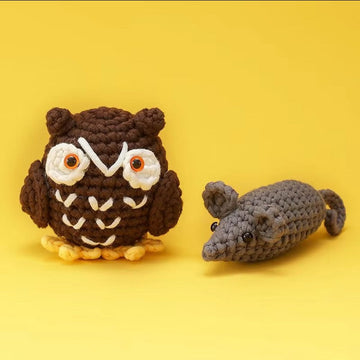
Classic animals with universal appeal sell reliably: bunnies, bears, cats, elephants, penguins, and owls. These have year-round demand from buyers looking for gifts, nursery decor, and collectibles. Exotic or niche animals (platypus, axolotl, capybara) experience trend-driven spikes that can be profitable if you catch the wave but risky to over-invest in.
Licensed Characters: A Legal Warning
Etsy and other platforms prohibit selling amigurumi of licensed characters — Pokemon, Disney characters, popular cartoon animals, etc. — without permission, which is essentially impossible for individual crafters to obtain. Sellers of unlicensed character amigurumi face shop removal, legal notices, and loss of all reviews and inventory. Stick to original designs or characters clearly in the public domain.
Seasonal and Holiday Items
Holiday-themed amigurumi (Christmas ornaments, Easter bunnies, Halloween creatures, Valentine's Day bears) sell at a significant premium compared to year-round designs. A buyer will pay $50 for a Halloween black cat amigurumi at Halloween that they might only pay $35 for as a plain cat in January. Start making seasonal items 6–8 weeks before the holiday to have inventory ready when search traffic peaks.
Custom and Personalized Orders
Custom orders — "can you make this in purple?" or "can you add my dog's markings?" — command the highest prices because they have no comparable alternatives. Custom commissions typically sell for 25–50% above your standard pricing. The tradeoff: they require back-and-forth communication, longer turnaround expectations, and more stress around meeting specific expectations. Many sellers open commissions as a small portion of total sales rather than making them the entire business model.
Selling Digital Patterns Alongside Physical Items
This is the highest-margin revenue stream available to amigurumi crafters. Write up your most popular design as a PDF pattern, sell it for $5–$8 on Etsy or Ravelry, and earn near-100% margin on every download. A pattern that took 10 hours to write and photograph can sell hundreds or thousands of times. Many full-time crochet creators earn the majority of their income from pattern sales, using their finished amigurumi primarily as portfolio and marketing material.

Photography: The Single Biggest Factor in Online Sales
Online buyers can't touch your work. Your photos are your entire selling proposition. Poor photography of excellent amigurumi will sell far less than good photography of average work. This is not an exaggeration — craft fair data consistently shows that visual presentation drives purchase decisions before any other factor.
What Good Amigurumi Photography Looks Like
- Natural light: Photograph near a large window on an overcast day or in open shade outside. Never use direct flash — it flattens details and creates harsh shadows.
- Simple backgrounds: White foam board, clean wood surfaces, or simple textured fabric. Busy backgrounds pull attention away from the product.
- Multiple angles: Front, side, back, and detail shots (the face close-up, a texture detail). Etsy allows 10 photos — use them all.
- Scale reference: Include at least one photo showing the piece next to a hand, a common object, or a ruler. Buyers have no sense of size from product photos alone and frequently feel misled when items arrive smaller than imagined.
- Lifestyle shot: A photo of the amigurumi in a simple, appealing setting — sitting on a bookshelf, next to a coffee cup, held in a child's hands (with appropriate permissions). Lifestyle shots help buyers visualize the piece in their own life.
Equipment You Actually Need
You do not need a professional camera. Modern smartphones shoot more than adequate product photos. What matters far more is lighting and a clean background. A $15 foam board from an office supply store and good window light will outperform expensive camera equipment in poor lighting.
Pricing Your Amigurumi Correctly
The formula most professional crafters use: (Materials cost × 2) + (Hours × desired hourly rate) + platform fees + profit margin = minimum price.
Example for a 4-hour elephant amigurumi with $15 in materials, targeting $12/hour labor:
- Materials × 2: $30
- Labor: 4 × $12 = $48
- Platform fees (estimate 15% of selling price): covered by adjusting final price
- Base price before fees: $78. Add 15% to cover fees: $78 / 0.85 = $92
So $85–$95 is a fair price for that piece. If the market you're selling in doesn't support that price, you have three options: work faster (more practice), use less expensive materials (bulk yarn buying), or accept a lower hourly rate (a personal decision, not a business recommendation).
Why You Shouldn't Race to the Bottom on Price
Counterintuitively, very low prices can hurt sales. A $15 handmade amigurumi next to a $45 handmade amigurumi makes buyers wonder what's wrong with the cheaper one. Handmade items are purchased as premiums, not commodities — price accordingly and attract buyers who value your craft.
Setting Up an Etsy Shop: Practical Checklist
If you decide to start with Etsy, here's the practical checklist to launch professionally:
- Shop name: Choose something memorable, easy to spell, and ideally descriptive of your niche (amigurumi, plush, handmade animals). Check that the name is available across Instagram and other platforms too.
- Shop policies: Write clear policies covering processing time (how long before you ship), return/exchange policy (handmade items typically non-returnable unless damaged), custom order terms, and care instructions for the items. Buyers read policies before purchasing.
- Listing optimization: Use your most important keywords in the item title (naturally, not stuffed). Fill all 13 tag slots with relevant search terms. Write descriptions that answer buyer questions: size, materials, who it's for, whether it's safe for children, care instructions.
- Processing time: Be realistic. If you're making to order, 1–2 weeks is common. Buyers who purchase expecting 3-day shipping and receive it in 10 days leave bad reviews that damage your shop long-term.
- Shipping: Weigh a sample package and get accurate shipping rates from your national postal service. Undercharging on shipping is a silent profit killer — it's better to charge a flat rate that slightly over-recovers than to absorb $5 in unexpected shipping costs per order.
Building Your First Product Line
Don't try to sell everything at once. Start with 5–8 listings of items you can make confidently and efficiently. Ideally pick 2–3 core designs that you genuinely enjoy making and can complete in 3 hours or less through practice. Having a focused shop looks more professional than having 20 wildly different items and helps buyers understand what you're known for.
A solid starting product line for an amigurumi Etsy shop:
- 2–3 classic animals (bear, rabbit, elephant) in standard sizing
- A seasonal or holiday variation of one of those animals
- One "mini" version of a popular design at a lower price point ($20–$30 range)
- A custom order listing with a waitlist if you want to take personalized requests
Common Mistakes New Sellers Make
Underpricing from the start
Once buyers have paid $20 for your item, raising prices later feels inconsistent and can lose repeat customers. Price fairly from day one even if it means slower initial sales while you build reviews.
Taking on too many custom orders too soon
Customs are time-intensive and emotionally draining when buyers have very specific expectations. Many new sellers burn out by saying yes to every custom request in their first few months. Set a monthly limit on customs and schedule them with enough buffer time.
Neglecting photography
This is the most common reason shops with genuinely good work fail to get traction. Spend time on your photos before listing — it's the single highest-return improvement you can make to your shop.
Copying other sellers' designs exactly
Making a design you saw someone else selling, in the same colors, with the same description, is not only ethically questionable but also puts you directly against an established competitor. Differentiate: different color choices, different accessories, different presentation, your own written pattern notes.
Skipping record-keeping
If your shop earns more than a certain threshold (varies by country — in the US, Etsy reports earnings over $600 to the IRS), you'll need basic records of revenue, material costs, and fees paid. Keep a simple spreadsheet from the start rather than trying to reconstruct records at tax time.
Growing Beyond Your First Sales
Once you have your first 5–10 sales and some reviews, you're no longer starting from zero. From here, growth strategies include:
Request reviews proactively: Etsy's review system is the foundation of your social proof. Include a small handwritten card in each package thanking the buyer and gently mentioning that reviews help your small shop grow — most happy buyers are glad to leave one if asked.
Document your process on social media: A 30-second video of the trunk assembly or the eye placement process gets more engagement than a static photo of the finished piece. Process content attracts both potential buyers and other crocheters who refer buyers your way.
Build an email list: If you have a personal website or use Etsy's mailing feature, capturing repeat buyers' emails lets you notify them of new designs, seasonal launches, or limited editions. Email marketing converts significantly better than social media posts for direct sales.
Write and sell patterns: If buyers frequently ask "do you sell the pattern for this?", that's a clear signal your design has commercial value as a digital product. Pattern writing is a learnable skill. A well-photographed, clearly written PDF pattern on Ravelry or Etsy can generate passive income for years.
Is Selling Amigurumi Right for You?
Selling handmade amigurumi is genuinely rewarding but it's not passive income — it's a craft business that requires consistent effort in making, photographing, listing, shipping, and customer communication. The crafters who thrive long-term are those who price honestly, specialize in designs they love making, and treat the business side with the same care as the craft side.
If you're still building your amigurumi skills before taking the commercial step, our Crochet Amigurumi Kits are a great way to expand your design repertoire and practice different animal shapes — experience with a wide variety of creatures gives you a much stronger portfolio when you're ready to open your shop.
Frequently Asked Questions About Selling Amigurumi
How much can you realistically make selling amigurumi?
Part-time sellers doing craft fairs and Etsy typically earn $200–$800 per month after material costs. Full-time crochet creators who combine finished goods with digital pattern sales can earn $2,000–$5,000+ per month, but this takes 1–3 years of consistent work to build. Income scales with your speed, pricing, and audience size.
Do you need a business license to sell amigurumi?
Requirements vary by country, state, and municipality. In the US, most casual sellers operating under a certain revenue threshold don't need formal business registration, but you must report income on your tax return. For a home-based craft business doing regular income, consult a local accountant or your country's small business administration for current rules. Don't skip taxes — Etsy reports seller earnings to tax authorities in most countries.
Can you sell amigurumi made from someone else's pattern?
This depends on the pattern's license terms. Many independent designers sell patterns with a "selling rights" clause that explicitly allows you to sell finished items made from the pattern (often with a credit requirement). Patterns sold by major publishers or on sites like Ravelry may have more restrictive terms. Always read the license before selling — making items from a paid pattern does not automatically grant you commercial rights.
What is a reasonable turnaround time for custom amigurumi orders?
Most custom amigurumi sellers advertise 2–4 weeks for processing (making) plus shipping time. During busy seasons (November–December before Christmas), extending turnaround to 4–6 weeks and communicating that clearly is acceptable. Never promise a turnaround you can't deliver — a disappointed buyer who misses a gifting occasion leaves a lasting negative review.
How do you ship amigurumi safely?
Amigurumi are lightweight and compress easily without damage, making them straightforward to ship. Wrap each piece in tissue paper to protect the finish, place in a rigid mailer or small box (especially for eyes that could be pressed inward), and add a thank-you note with care instructions. Small flat-rate boxes or padded mailers work for most sizes. Amigurumi generally weigh 60–150 grams fully assembled, keeping shipping costs manageable.
Should you offer free shipping on Etsy?
Etsy's algorithm favors listings with free shipping for US buyers, which can improve your search visibility. The practical approach: bake your average US shipping cost ($4–$6 for most amigurumi) into your listing price rather than charging it separately, then offer "free shipping" officially. Be aware this means international buyers get free shipping too unless you configure separate international shipping rates.
How do you protect your amigurumi designs from being copied?
Practically speaking, individual crochet item designs are difficult to protect legally without a registered copyright on the written pattern. The best protection is building a strong brand (shop name, consistent style, customer relationships) that's harder to replicate than a specific design. Document your work with dated photos and listings. If a direct copy appears, you can report it to the platform, but don't let fear of copying stop you from selling.
Starting Today
The best time to start your amigurumi business is when you've made enough pieces to photograph for listings and you've worked through the pricing math honestly. Most successful sellers opened their shops before they felt completely "ready" — the experience of actual sales teaches you more than any amount of preparation.
Start with 5–8 strong listings, price fairly from day one, invest in good photography, and treat every customer interaction as a chance to build your reputation. The rest follows from there.


